Seaside Penny Falls to Sofa Spins: Remembering When Gambling Needed a Bus Ticket
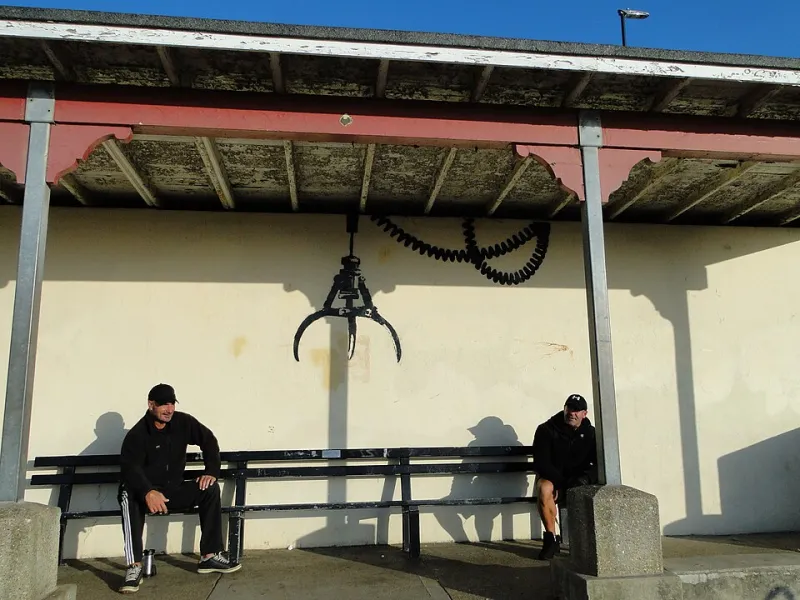
Photo: Adrian S Pye , CC BY-SA 2.0, via Wikimedia Commons
Ask anyone over forty about their first proper gamble and the answer rarely involves a screen. It involves a bucket of coppers, a sticky arcade carpet and the sound of a penny falling machine doing its slow, mechanical magic down the seafront in Skegness or Great Yarmouth.
We've come a long way in a generation — and the journey says a lot about who we are.
The Arcade Was the Holiday
For decades, the British seaside holiday and the gambling instinct were tangled together. You didn't need a casino licence to feel the thrill. You needed a 2p, a steady hand and the patience to nudge a coin over the edge of a mountain of its mates.
Penny falls weren't really gambling, of course — the prizes were plastic and the stakes were pocket change — but they taught a whole nation of kids how a near miss feels. The coin teetering on the lip. The whole family shouting instructions. The quiet heartbreak when it dropped backwards.
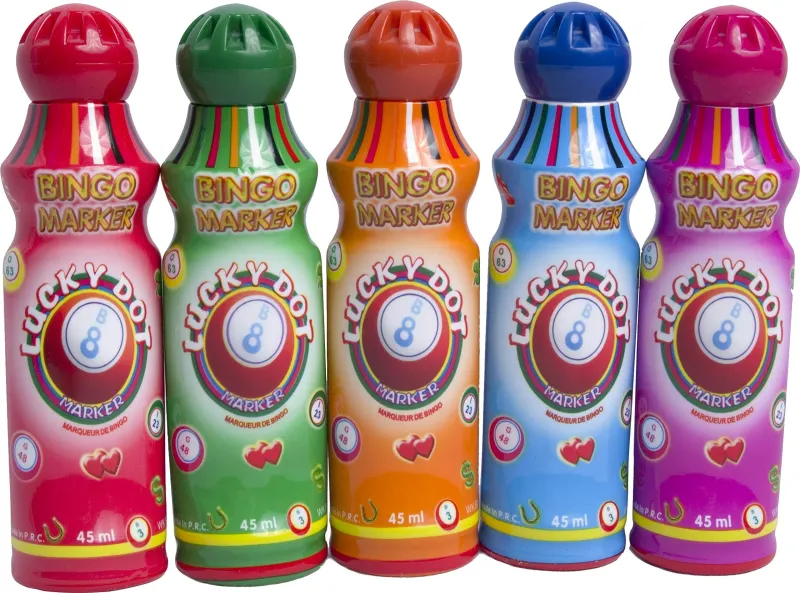
Then there was the bingo hall. Every high street had one, from Mecca to the local independents, and on a Tuesday night they were temples. Dabbers, tea, a caller with a line for every number — "two little ducks, twenty-two" — and a room full of people who knew each other's names.
What the High Street Lost
The bingo halls didn't vanish because people stopped loving the game. They vanished because life changed. Smoking bans, evening shifts, the rise of the telly, then the smartphone — the audience drifted, and the buildings went with them. Some became supermarkets. Some became flats. Some just stand there, their plastic signage sun-bleached, waiting for someone to remember them.
Something genuine was lost in that drift, and it's worth saying plainly: the company. Gambling used to be a social occasion by default. You went out to do it.
What the Sofa Gained
Now the whole casino fits in a coat pocket. Online slots, live dealer tables streamed from studios, game shows with spinning wheels and charismatic hosts — all of it available without leaving the settee. The convenience is undeniable. The choice is staggering compared to what a 1990s arcade could offer.
And here's the thing that tickles us at RR888: the old superstitions made the trip too. Lucky numbers didn't stay behind in the bingo hall. Look at any phone screen in a British queue and you'll see them — 7s, 8s, triple 8s glowing out of slot reels. In Chinese tradition, 888 means triple fortune, and British players have quietly adopted the belief. The number that once hung over a casino doorway in neon now sits in an app icon.
What We'd Tell Our Younger Selves
If you could sit the penny-fall kid of 1985 down with a modern slot, what would you want them to know? Probably this: the games are faster and the maths is more sophisticated, but the fundamentals haven't moved an inch. The house has an edge. Luck is the only real currency. And the best sessions — then as now — are the ones where you decide your limit before you start.
The bingo hall crowd understood that instinctively. You brought what you could afford to lose, you enjoyed the evening, and the win was a bonus rather than a plan.
Both Things Can Be True
Nostalgia is a liar if you let it be. The old days weren't better — they were just different, and harder to access, which made them feel more special. Today's online scene offers tools the seaside never had: deposit limits, reality checks, self-exclusion, all built into the platforms.
But the old days got some things right that we'd do well to reclaim. Gambling as a treat, not a habit. Gambling as a shared laugh, not a solo grind. And luck — real, daft, human luck — celebrated for what it is.
The penny falls are mostly gone. The dabbers are in the loft. But the flutter lives on, and if you're going to carry a lucky number into the modern age, you could do worse than 888. Just remember what the bingo hall taught us: the playing is the point. The winning is the icing.